
The Translator as the Invisible Author: How Voices Travel Across Languages and Cultures
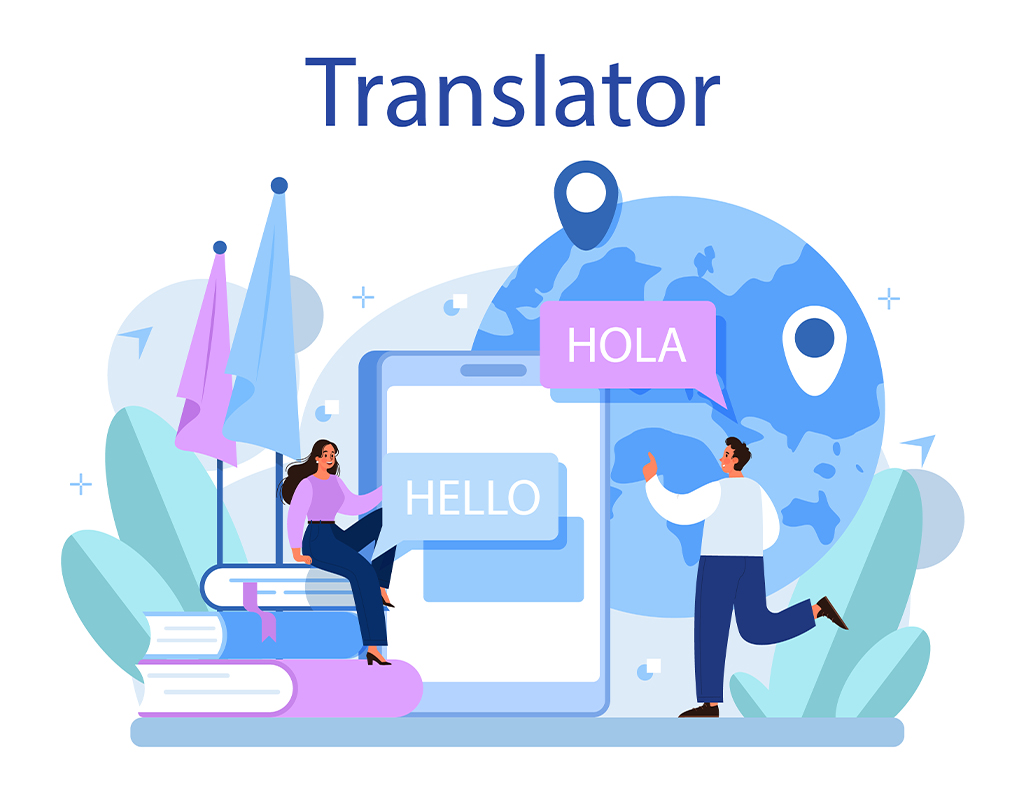
Translators play a critical yet often unseen role in ensuring that stories, ideas, and cultural expressions move authentically between languages. As invisible authors, they preserve the integrity and impact of voices across borders.
- Misconceptions About Translation: Many confuse translation with the simple act of swapping words from one language to another. But anyone who has wrestled with the subtleties of language knows that translation is far more than that. It requires not only a deep understanding of both languages but also a thorough knowledge of the cultural contexts, idioms, and emotional undertones that give a text its essence. A literal translation can carry the words, but a skilled translator captures the soul.
- Translation as Interpretation: Think about the challenges in translating poetry, where rhythm, sound, and metaphor intertwine to create a meaningful experience. The translator must recreate the experience for readers who do not always share the same cultural or linguistic background.
- The Translator as Invisible Author: Here, the translator is more than a conduit—they become an invisible author, more like transcreators, who make creative choices that affect how the story or poem is perceived. At the heart of literature’s global journey is the translator as co-author. Their invisible work is not only technical but vital in amplifying the original author’s voice and building bridges between cultural worlds. Each translated work stands as proof of the translator’s indispensable creative contribution.
- Ethical Dimensions: The ethical dimension of translation adds another layer. Translators must navigate fidelity to the original text while making it accessible and resonant for a new audience. These decisions shape the reception of literature, history, and philosophy across borders. The translator’s choices determine whether a work will feel authentic, relatable, or even revolutionary in a new cultural setting.
- Translation in Global Publishing: For writers, understanding the translator’s role opens up exciting possibilities. Today, it’s easier than ever to reach international audiences. With tools, publishers, and platforms that allow creators to publish and print your own book, writers can see their work translated and shared across the globe. This democratization of publishing empowers not just the original author but also the translators who bring the work to life in other languages.
So next time you pick up a translated novel or essay, remember: within its pages, two creative minds are at work. Recognize both the author’s vision and the translator’s devotion—the invisible force that lets stories and wisdom break free from borders, connecting us all more powerfully than ever before.